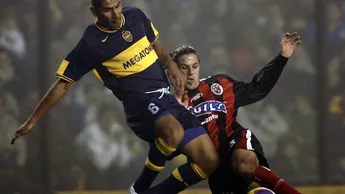
In football, some players are remembered not just for goals or trophies, but for their spirit, loyalty, and unwavering courage on the field. Daniel “Cata” Díaz is one of those rare names. Known as a defensive warrior, he spent more than two decades giving everything for his team. His retirement marked the end of an era filled with passion, discipline, and leadership.
- Early Life: From Catamarca to Professional Football
- Rise in Argentina: The Making of “Cata”
- Moving to Europe: The Spanish Chapter
- Return to Boca Juniors
- International Career
- Retirement: The Final Goodbye to the Pitch
- Why Did Cata Díaz Retire?
- Playing Style: A True Warrior
- Life After Retirement
- Frequently Asked Questions (FAQs)
- Conclusion
Early Life: From Catamarca to Professional Football
Daniel Alberto Díaz, popularly known as Cata Díaz, was born on July 13, 1979, in San Fernando del Valle de Catamarca, Argentina. Coming from a humble background, football was more than a dream; it was his way forward. With determination and natural defensive instinct, he joined youth academies and eventually made his professional debut with Rosario Central.
Even at a young age, he was known for his strong tackling and no-nonsense attitude, traits that would later define his career.
Rise in Argentina: The Making of “Cata”
His journey in Argentina took him to Colón de Santa Fe and later Boca Juniors, one of the biggest clubs in South America. At Boca, he truly became “Cata Díaz,” a nickname inspired by his hometown, Catamarca.
While playing at La Bombonera, the iconic home of Boca Juniors, he became a fan favorite. His fearless style, aggressive marking, and leadership made him an essential part of the defense. At Boca, he won major titles and gained international recognition.
Moving to Europe: The Spanish Chapter
In 2007, Díaz moved to Spain to join Getafe CF. Many expected him to struggle in European football, but he proved them wrong. At Getafe, he became a dependable leader in defence, helping the team reach the UEFA Cup quarter-finals, one of the greatest achievements in the club’s history.
His consistent performances caught the eye of big clubs, and in 2012, he signed with Atlético Madrid, coached by Diego Simeone—a manager famous for his defensive philosophy. Under Simeone, Díaz showcased his experience, toughness, and ability to command the backline.
Although his stay at Atlético was short, he gained valuable experience and left a strong impression.
Return to Boca Juniors
After his time in Spain, Cata Díaz returned to Boca Juniors in 2013. The fans welcomed him like a returning hero. Despite being older, he remained a strong defender and a leader in the locker room.
He helped guide younger players, led the defensive line, and added more trophies to his name. His return showed that he wasn’t just a player — he was a symbol of loyalty and passion.
International Career
Díaz also represented Argentina’s national team. He was part of the squad for Copa América 2007, where Argentina finished as runners-up. Although he didn’t earn many international caps, his commitment to the national jersey was always respected by fans and teammates.
Retirement: The Final Goodbye to the Pitch
Cata Díaz first announced his retirement on February 10, 2019, while playing for CF Fuenlabrada in Spain. The club confirmed he was stepping down due to personal reasons.
But football wasn’t finished with him yet — and neither was he. After months away from the game, he returned to Argentina and signed with Nueva Chicago. His love for football couldn’t keep him away.
Finally, on July 1, 2021, he officially retired from professional football. This time, it was permanent. After more than 20 years, hundreds of matches, and an unforgettable career, the warrior hung up his boots.
Why Did Cata Díaz Retire?
-
Age and Physical Limits: At nearly 40, it became harder to maintain the physical demands of high-level football.
-
Family and Personal Priorities: He wanted more time for his family and a peaceful life away from constant travel and pressure.
-
A New Chapter in Life: After years of competing, he was ready to explore coaching, mentoring, or roles off the field.
Playing Style: A True Warrior
Cata Díaz was never a flashy player. He was a fighter, a protector, and a leader. His game was built on:
-
Hard but clean tackles
-
Intelligent positioning and game reading
-
Fearless aerial duels
-
Vocal leadership and discipline
Fans admired him for his honesty and effort. Coaches trusted him because he always gave 100%. Teammates respected him for his courage — he never backed down, no matter who the opponent was.
Life After Retirement
After retiring, Díaz has kept a low profile. He spends time with his family and remains close to football. He has expressed interest in:
-
Coaching and Training Young Defenders
-
Working in Football Management
-
Developing Local Talent in Argentina
Though he hasn’t officially taken a coaching role yet, fans hope to see him return to the sport in a new capacity.
Frequently Asked Questions (FAQs)
Q1: When did Cata Díaz officially retire?
He retired from professional football on July 1, 2021.
Q2: What position did he play?
He played as a centre-back (central defender).
Q3: Which clubs did he play for?
Rosario Central, Colón, Boca Juniors, Getafe CF, Atlético Madrid, Fuenlabrada y Nueva Chicago.
Q4: Did he play for Argentina?
Yes. He represented Argentina and played in the Copa América 2007.
Q5: Why is he called “Cata”?
The nickname “Cata” comes from his birthplace, Catamarca.
Q6: What is he doing now?
He is spending time with family and may pursue coaching or football management in the future.
Conclusion
Cata Díaz’s retirement is not just the end of a football career; it is the end of a warrior’s journey. From the streets of Catamarca to the stadiums of Spain, he fought every battle with heart and dignity. His story proves that football is not only about scoring goals, but it is also about defending with pride, leading with courage, and inspiring others.