Introduction
Some drinks just happen to be beverages. Others, well, they become rituals, moods, and tiny daily celebrations all rolled into one mug. A latte is one of those. Whether you’re clutching it on a foggy morning, sipping it during a late-afternoon slump, or savoring it slowly while pretending not to check your emails—again—it has a way of fitting into life without asking permission.
- Introduction
- The Soul of a Coffee Latte: More Than Just Milk and Espresso
- A Brief (and Cozy) History of the Latte
- Anatomy of the Perfect Cup
- Why People Keep Coming Back for More
- The Latte as a Creative Canvas
- Making One at Home Without Losing Your Mind
- The Social Side of Latte Culture
- Health, Habits, and a Bit of Balance
- FAQs
- A Quiet Moment in a Busy World
- Conclusion
At first glance, it’s simple enough: espresso, milk, and a little foam. But don’t let that fool you. Behind that modest appearance lies a story steeped in history, creativity, and personal preference. From bustling cafés to quiet kitchens, this drink has managed to carve out a permanent spot in modern culture. And honestly? It’s earned it.
So grab a comfy chair, imagine the soft clink of a ceramic cup, and let’s wander through the surprisingly rich universe of the latte—no barista apron required.
The Soul of a Coffee Latte: More Than Just Milk and Espresso
Strip it down to the basics, and you’ve got a formula that sounds almost too easy. Yet, when done right, it’s magic. The balance between bold espresso and velvety milk creates a smooth harmony without being boring, strong without being overpowering. Like a good conversation, it flows.
Originally rooted in European café culture, the latte made its way across continents, picking up new habits and personalities along the way. In Italy, ordering one without context might get you a raised eyebrow. Elsewhere, it’s practically a universal language. Funny how drinks travel like that.
What really defines it isn’t just the recipe—it’s the intention. A latte invites you to slow down. It’s not a shot you toss back or a cup you forget on your desk. It’s meant to be held, inhaled, and appreciated, even if only for a few minutes.
A Brief (and Cozy) History of the Latte
Long before fancy menus and seasonal flavors took over café chalkboards, people were already mixing coffee with milk at home. The idea wasn’t revolutionary; it was practical. Milk softened coffee’s bite and stretched precious espresso into something more filling.
As espresso machines evolved in the 20th century, cafés began refining the technique. Steamed milk became silkier, foam more intentional. Eventually, the drink stepped into the spotlight, earning its own name and identity. By the time it reached global popularity, it was no longer just a coffee—it was the coffee for anyone who wanted comfort with a kick.
And then came the customization craze. Sizes grew, flavors multiplied, and suddenly your cup said a lot about you. Vanilla or caramel? Oat or almond? Extra foam or barely there? Choices, choices.
Anatomy of the Perfect Cup
Let’s break it down without getting all lab-coat serious about it. A great latte usually depends on three core elements working together:
-
Espresso: The foundation. Rich, concentrated, and aromatic.
-
Steamed milk: Warm, creamy, and slightly sweet when textured just right.
-
Microfoam: That thin, glossy layer on top that feels like a soft landing for your first sip.
Mess with one, and the whole vibe shifts. Too much foam, and it feels airy. Too little milk and the espresso dominates. When everything’s aligned, though? Chef’s kiss—except it’s a barista’s.
Why People Keep Coming Back for More
There’s a reason this drink hasn’t faded into obscurity. Actually, there are several:
-
It’s approachable. Even non–coffee lovers often find it friendly.
-
It’s adaptable. Hot or iced, plain or flavored—it plays well with others.
-
It’s comforting. Something about warm milk just hits differently.
-
It feels personal. Everyone orders it their own way, no judgment.
Plus, let’s be real—it photographs well. Not the main point, but hey, it doesn’t hurt.
The Latte as a Creative Canvas
Walk into any café, and you’ll see it: syrups lined up like paint tubes, alternative milks ready to audition, spices waiting in the wings. The latte has become a base for endless experimentation.
Some popular twists include:
-
Spiced versions with cinnamon or nutmeg
-
Chocolate-infused blends for a mocha vibe
-
Plant-based milk options that change texture and flavor
-
Seasonal spins that scream autumn or summer
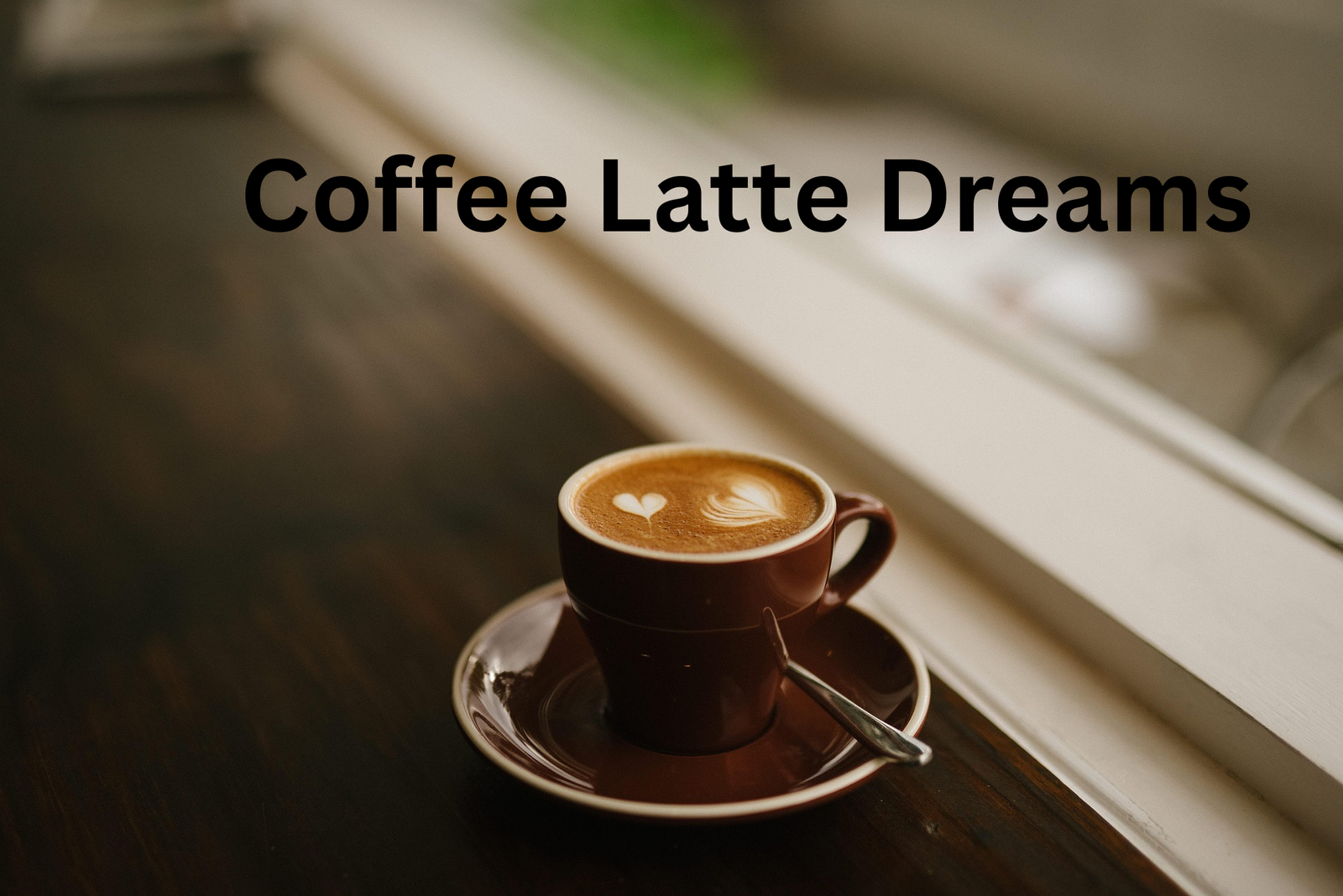
And then there’s latte art. Hearts, rosettas, tulips—tiny masterpieces that disappear the moment you take a sip. Ephemeral art at its finest.
Making One at Home Without Losing Your Mind
You don’t need a café-grade machine or years of training to enjoy a good homemade version. Sure, practice helps, but enthusiasm goes a long way.
Here’s a friendly starting point:
-
Brew a strong shot of espresso (or very strong coffee if that’s what you’ve got).
-
Heat milk gently until it’s warm and slightly frothy.
-
Pour slowly, aiming for balance rather than perfection.
Will it look like café art? Maybe not. Will it taste good? Absolutely—especially when you made it yourself.
The Social Side of Latte Culture
This drink has become shorthand for connection. Think about it. Meetings happen over lattes. First date,s too. Catch-ups, study sessions, brainstorming afternoons—they often start with, “Want to grab one?”
Cafés have turned into modern living rooms, and the latte is the unofficial host. It gives you something to do with your hands, something warm to focus on when conversation stalls. Awkward silences are easier to survive when there’s foam to admire.
Health, Habits, and a Bit of Balance
Like most pleasures, moderation matters. Milk adds nutrients; espresso brings antioxidants. Together, they can be part of a balanced routine—assuming you’re not drowning it in sugar every time.
Some people choose lower-fat or plant-based milks. Others stick with full cream because, well, joy counts too. There’s no single “right” way, just what works for your body and your taste buds.
FAQs
Is a latte stronger than regular coffee?
Not necessarily. It contains espresso, which is concentrated, but the milk softens the overall intensity. Strength often depends on how it’s made.
Can I enjoy it without dairy?
Absolutely. Plant-based milks like oat, soy, or almond work beautifully and bring their own character to the cup.
Why does café-made milk taste sweeter?
When milk is steamed properly, its natural sugars become more noticeable. No tricks—just good technique.
Is it okay to drink one every day?
For most people, yes. As long as caffeine and calories fit comfortably into your routine, it can be a daily pleasure.
What’s the best cup size?
The one that makes you happiest. Small and cozy or large and lingering—it’s your call.
A Quiet Moment in a Busy World
In the end, the beauty of a latte isn’t just in its ingredients. It’s in the pause it creates. A brief break. A warm cup between your palms. A reminder that not everything has to be rushed, or optimized, or posted online.
The next time you order or make one, take an extra second before that first sip. Notice the aroma. Feel the warmth. Let the world wait. Some moments—creamy, calm, and comforting—deserve your full attention.
Conclusion
The humble latte has managed to be both Wikipedia and extraordinary, a familiar friend that never quite loses its charm. It adapts to trends without losing its soul, comforts without demanding attention, and invites creativity while staying grounded. Whether enjoyed alone or shared in conversation, it remains a small but meaningful pleasure in a noisy world.