
Introduction
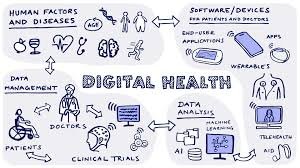
The world of healthcare is undergoing a massive transformation, driven by technology. Digital healtha term that blends medical expertise with modern digital innovation—has revolutionized how we deliver, manage, and experience healthcare. It integrates tools such as artificial intelligence (AI), telemedicine, wearable devices, mobile apps, and electronic health records (EHRs) to create smarter and more efficient medical systems.
In a world where people seek faster, more accurate, and accessible healthcare, digital health stands at the forefront. It enables better communication between doctors and patients, improves preventive care, and ensures medical services reach even the most remote corners of the world.
What Is Digital Health?
Digital health refers to the use of digital technologies to improve health outcomes, enhance the efficiency of healthcare systems, and empower individuals to manage their own health. It combines medicine, information technology, and innovation to deliver personalized, data-driven care.
This includes technologies like:
-
Telemedicine: Remote consultations through video calls.
-
Mobile Health (mHealth): Apps that track fitness, nutrition, and medication.
-
Wearable Devices: Smartwatches and sensors that monitor body metrics.
-
Artificial Intelligence (AI): Tools that analyze medical data and assist in diagnosis.
-
Blockchain & Cloud Computing: Secure and accessible storage of health data.
How Digital Health Is Changing Healthcare
-
Telemedicine and Remote Consultations
Telemedicine allows patients to connect with doctors through digital platforms, removing geographical barriers. People in rural or underserved areas can now receive quality medical advice from specialists without traveling long distances. -
Personalized Care
Digital health makes it possible to tailor treatments based on each individual’s health data, lifestyle, and genetics. AI algorithms can analyze large datasets to recommend personalized therapies and preventive measures. -
Real-Time Health Monitoring
Wearable devices like smartwatches and fitness bands track heart rate, sleep quality, oxygen levels, and physical activity in real time. This empowers users to take proactive control of their health and detect early warning signs of illness. -
Improved Patient Engagement
Digital health tools encourage patients to stay informed about their conditions. Apps provide medication reminders, nutrition plans, and mental health support, making healthcare more interactive and engaging. -
Data-Driven Decision Making
Hospitals and clinics now rely on digital systems that store and analyze vast amounts of health data. This data helps doctors identify trends, predict outbreaks, and improve patient outcomes through evidence-based decisions.
Benefits of Digital Health
-
Accessibility:
Patients can consult healthcare professionals from anywhere, at any time. -
Affordability:
Online consultations and remote monitoring reduce hospital visits, saving time and money. -
Efficiency:
Digital systems eliminate paperwork and streamline hospital management. -
Prevention and Early Detection:
AI algorithms can detect diseases early, improving survival rates and reducing long-term healthcare costs. -
Empowerment:
Individuals gain control over their health with access to information and monitoring tools.
Challenges in Digital Health
Despite its advantages, digital health faces several challenges that must be addressed:
-
Data Privacy and Security:
Protecting sensitive medical information from cyberattacks is a major concern. -
Digital Divide:
Many developing areas lack access to stable internet connections and digital devices. -
Regulatory Barriers:
Health data regulations vary by country, creating challenges for global implementation. -
Training and Adaptation:
Healthcare professionals must be trained to effectively use new digital tools and technologies. -
Technology Dependence:
Over-reliance on digital systems could lead to issues if technical failures occur.
The Future of Digital Health
The future of digital health is bright and filled with endless possibilities. Emerging technologies will continue to make healthcare more predictive, preventive, and personalized. Some key trends include:
-
Artificial Intelligence (AI) in Diagnostics:
AI algorithms will enhance imaging accuracy, predict diseases, and assist doctors in making faster decisions. -
Virtual Reality (VR) and Augmented Reality (AR):
These technologies will be used for medical training, therapy, and surgical planning. -
Genomics and Personalized Medicine:
DNA-based treatments will allow for highly customized healthcare plans. -
Remote Surgery and Robotics:
Surgeons will perform complex procedures using robotic tools and remote control technologies. -
Smart Hospitals:
Fully connected hospitals will use sensors and automation to improve patient care and safety.
Digital health is not only the future t’s happening right now. As innovation continues, healthcare will become more connected, data-driven, and patient-centered.
Conclusion
Digital health is reshaping the very foundation of global healthcare. It merges medical science with technology to create a smarter, faster, and more inclusive system. By enabling remote care, empowering patients, and improving the accuracy of diagnoses, it’s bridging the gap between patients and providers like never before.
However, for digital health to reach its full potential, challenges such as privacy, accessibility, and education must be addressed. With responsible use and innovation, digital health will continue to transform the future of healthcare through technology, making quality care available to all anywhere, anytime.
FAQs About Digital Health
Q1: What is digital health in simple words?
Digital health means using technology like apps, wearables, and online consultations to improve healthcare and make it easier to access.
Q2: How does digital health help patients?
It helps patients track their health, consult doctors remotely, and receive personalized care without visiting hospitals frequently.
Q3: What are examples of digital health technologies?
Examples include telemedicine, wearable fitness trackers, AI diagnostic systems, and electronic health records (EHRs).
Q4: Is digital health safe?
Yes, most platforms use strong encryption and security measures, but users should always choose verified and trusted healthcare services.
Q5: What is the future of digital health?
The future will include AI-powered diagnostics, virtual hospitals, robotics in surgery, and predictive healthcare systems that prevent diseases before they occur.







Digital Health
aczjyboqvkn
czjyboqvkn http://www.grv0f5ub329hqui7v28806qw1a8o8g12s.org/
[url=http://www.grv0f5ub329hqui7v28806qw1a8o8g12s.org/]uczjyboqvkn[/url]