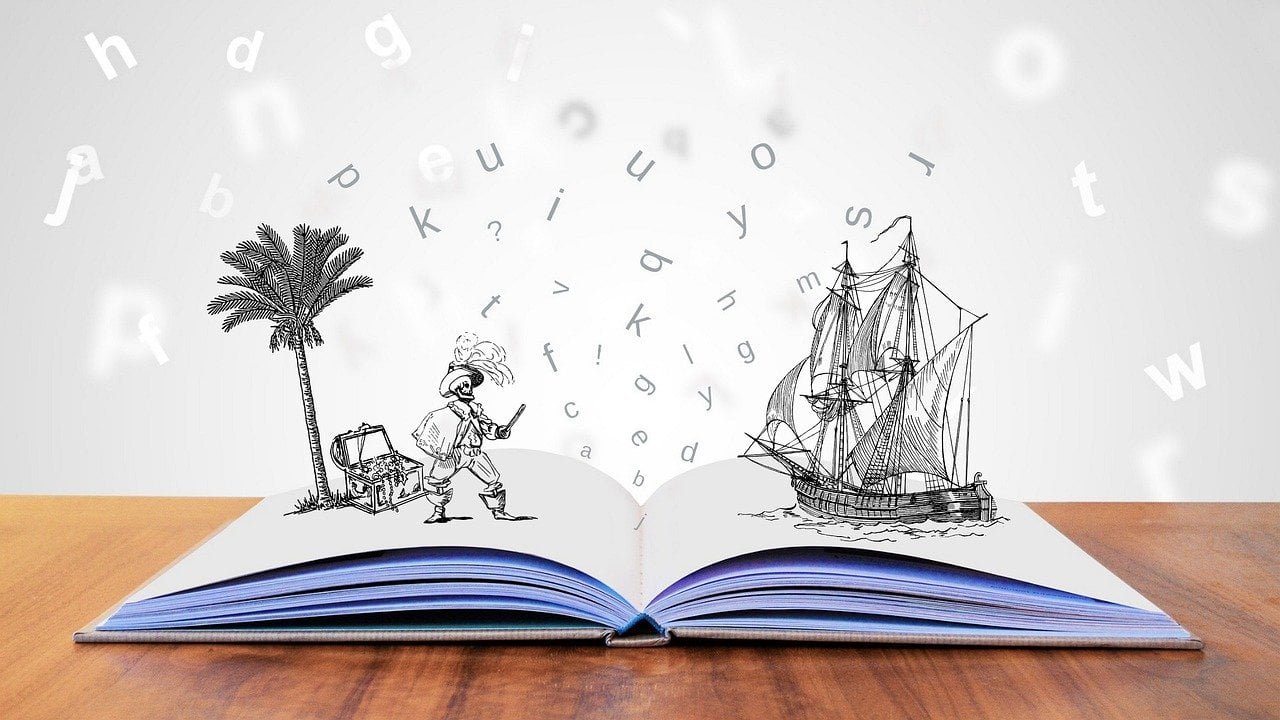
In a world dominated by digital screens and fast-scrolling content, print storytelling still holds a special charm. Whether it’s a beautifully designed booklet, a magazine, or a brochure, print has the power to slow readers down, spark curiosity, and leave a lasting emotional impact. Engaging storytelling through print is not just about words—it’s about design, texture, and connection. It blends creativity with communication to make every page an experience.
- The Emotional Connection of Print Storytelling
- Why Print Still Matters in the Digital Age
- The Role of Design in Storytelling
- Booklets: The Perfect Medium for Print Storytelling
- Crafting an Engaging Story for Print
- The Sustainability of Print
- Combining Print with Digital
- The Future of Print Storytelling
- Conclusion
- FAQs
The Emotional Connection of Print Storytelling
Unlike digital formats that vanish with a click, print materials create a tangible connection. The feel of paper, the smell of fresh ink, and the visual layout all play a role in how a story is received. When people hold a booklet or printed story in their hands, they interact with it physically, making the experience more memorable.
Print storytelling captures attention through emotion and detail. Every font, color, and image tells part of the story. Instead of overwhelming readers with notifications or pop-ups, it invites them into a quiet, immersive world—one where they can focus on the narrative without distraction.
Why Print Still Matters in the Digital Age
Even with the rise of digital media, print continues to thrive in marketing, education, and creative industries. Why? Because print builds trust. Research shows that readers often perceive printed information as more credible and thoughtful compared to online posts. A well-designed print story shows effort, attention to detail, and respect for the audience.
Moreover, print storytelling appeals to multiple senses. The act of flipping pages, feeling paper texture, or even admiring the print quality adds layers of engagement. These sensory cues help people remember the story longer than something they merely read on a screen.
The Role of Design in Storytelling
An engaging printed story isn’t just about good writing; it’s about design harmony. Layout, typography, and imagery guide readers through the journey. The design sets the mood and tone of the story before the first word is read.
For example:
-
Minimalist designs work well for professional or educational content.
-
Bold, colorful layouts attract attention in creative or promotional booklets.
-
Vintage styles evoke nostalgia and emotion.
Consistency is also vital. Every design choice, from paper thickness to image placement, must align with the story’s message. A visually pleasing layout helps readers follow the flow effortlessly.
Booklets: The Perfect Medium for Print Storytelling
Among all print forms, booklets stand out as one of the best storytelling tools. They offer enough space to develop ideas, present visuals, and build a connection with readers. A booklet can serve multiple purposes—it can educate, inspire, or promote while maintaining a personal touch.
For businesses, booklets help explain services or share brand stories. For artists or educators, they’re a way to showcase creativity or deliver information in a structured yet artistic manner. The compact format makes them easy to distribute, store, and revisit, giving them long-term value.
Crafting an Engaging Story for Print
To create truly engaging storytelling through print, certain principles should be followed:
-
Define Your Message Clearly
Every story starts with a purpose. Decide what you want your readers to feel, learn, or do after reading. A clear purpose shapes the tone, language, and visuals. -
Know Your Audience
Understanding your audience ensures relevance. The same booklet that inspires students may not appeal to business professionals. Tailor your content for their needs and expectations. -
Blend Text with Visuals
Visuals are not decorations—they are storytellers too. Use high-quality images, illustrations, or infographics to enhance understanding and keep readers engaged. -
Focus on Flow and Structure
A good story has rhythm. Use headings, subheadings, and short paragraphs to make it easy to follow. Each section should naturally lead to the next. -
End with Impact
The conclusion should leave readers thinking, feeling, or acting. Whether it’s an inspiring message or a subtle call to action, it should stay with them after they close the booklet.
The Sustainability of Print
Another reason print storytelling continues to gain respect is its evolving relationship with sustainability. Eco-friendly printing practices, recycled paper, and soy-based inks allow creators to share stories responsibly. Many brands now use sustainable printing as part of their storytelling, showing their commitment to the environment while engaging audiences with authenticity.
Combining Print with Digital
Modern storytellers don’t have to choose between print and digital; they can combine both. QR codes, augmented reality (AR), or digital links can extend a print story into an interactive experience. A reader might scan a code in a booklet to view a behind-the-scenes video or access related content online. This fusion enhances engagement without losing the beauty of print.
The Future of Print Storytelling
As trends evolve, print storytelling is becoming more creative and intentional. Limited-edition prints, personalized designs, and high-quality booklets are replacing mass-printed materials. The goal is no longer to reach everyone—it’s to deeply connect with the right audience. This shift ensures that print storytelling remains relevant in the future.
Conclusion
Engaging storytelling through print is a timeless art that combines imagination, craftsmanship, and emotional intelligence. It invites readers to pause, feel, and connect with a message beyond the screen. Whether used for marketing, education, or art, print storytelling reminds us that tangible experiences still hold immense power in a digital world.
Booklets, magazines, and printed stories are more than communication tools; they’re keepsakes that preserve creativity, meaning, and human touch.
FAQs
1. Why is storytelling through print still effective today?
Print engages multiple senses and creates a lasting emotional connection that digital formats often can’t match.
2. How does design influence storytelling in print?
Design shapes how readers interpret and feel the story. Layout, color, and typography all work together to enhance meaning.
3. What makes booklets a good storytelling medium?
Booklets are compact, versatile, and easy to distribute. They allow storytellers to present detailed narratives in an attractive format.
4. Can print storytelling work with digital tools?
Yes. QR codes and digital integrations can connect print readers to online content, merging tradition with innovation.
5. Is print storytelling environmentally friendly?
With sustainable materials and eco-friendly printing, print storytelling can be both impactful and responsible.