Introduction
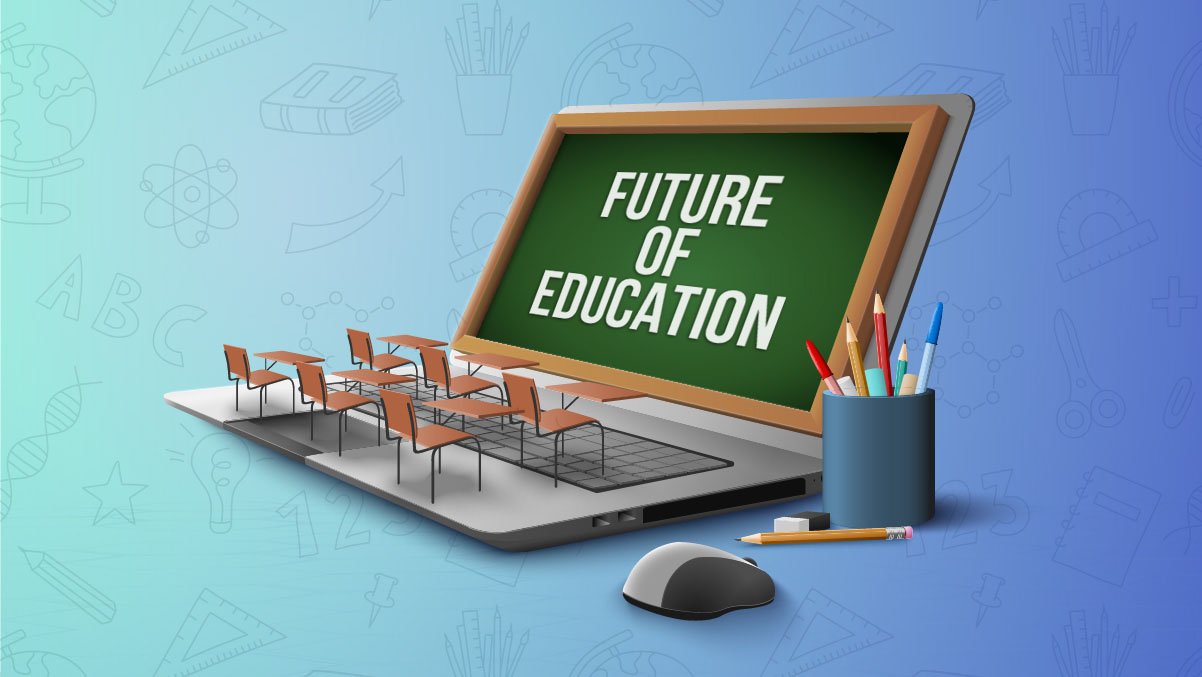
The future of education is no longer limited to classrooms, textbooks, and blackboards. It is evolving into a system that focuses more on creativity, practical knowledge, emotional intelligence, collaboration, and real-world problem-solving. Instead of just memorizing facts, education is now shifting towards understanding concepts, applying learning, and developing skills that prepare students for life, not just exams. This transformation promises a learning experience that is more personalized, flexible, and accessible to everyone.
- Introduction
- 1. A Shift from Rote Learning to Concept-Based Learning
- 2. Personalized Learning Paths
- 3. Blended and Flexible Learning Environments
- 4. Skill-Based Education
- 5. Importance of Emotional and Social Learning
- 6. Global Learning Opportunities
- 7. Role of Teachers as Mentors
- 8. Value of Practical Assessments Over Exams
- 9. Inclusive and Accessible Learning for All
- 10. Lifelong Learning Culture
- Frequently Asked Questions (FAQ)
- Conclusion
1. A Shift from Rote Learning to Concept-Based Learning
Traditional education systems often focused only on memorization and exams. However, the future emphasizes understanding rather than learning by heart. Students will be encouraged to ask questions, think critically, and find solutions independently. This approach helps them develop long-lasting knowledge and confidence.
2. Personalized Learning Paths
Every student learns differently—some grasp ideas quickly, while others need more time and explanation. Future education systems will adopt flexible methods where students can learn at their own pace. Teachers will guide students individually, helping them focus on their strengths and improve their weaknesses. This kind of learning builds self-confidence and reduces unnecessary academic pressure.
3. Blended and Flexible Learning Environments
The future of education will combine classroom learning with digital methods. Students will be able to access study materials, notes, and recorded lectures from anywhere and at any time. This allows them to revise lessons comfortably and also helps those who cannot attend school regularly. Learning will become location-independent and more comfortable.
4. Skill-Based Education
Instead of focusing only on marks and grades, future education will focus more on developing real-life skills such as communication, creativity, entrepreneurship, teamwork, and problem-solving. Schools and colleges will introduce practical projects, workshops, group activities, and internships where students can learn by doing. This makes them more confident and job-ready.
5. Importance of Emotional and Social Learning
Books and academics are important, but emotional strength and social understanding are equally important in life. Future education will give more importance to mental well-being, stress management, empathy, and cooperation. Students will be encouraged to understand their emotions, respect others’ opinions, and work together in harmony.
6. Global Learning Opportunities
Education will no longer be limited to one city or country. Students will be able to attend online classes from international educators, join global competitions, and collaborate with learners from different cultures. This will help students become more open-minded, confident, and globally aware.
7. Role of Teachers as Mentors
In the coming years, teachers will not just be instructors but mentors and guides. They will focus more on motivating students, developing their talents, and helping them explore new opportunities. Teachers will encourage curiosity instead of providing ready-made answers, making students more independent and responsible learners.
8. Value of Practical Assessments Over Exams
Future education will replace traditional exam-only evaluation systems with more practical and continuous assessments. Students will be judged based on projects, portfolios, presentations, and real-world tasks instead of only written tests. This will reduce exam pressure and provide a more accurate understanding of a student’s capability.
9. Inclusive and Accessible Learning for All
One of the most important aspects of the future of education is inclusivity. Children from rural areas, differently-abled students, and those from financially weak backgrounds will receive equal learning opportunities. Scholarships, digital learning platforms, and community-based learning centers will help make education more accessible.
10. Lifelong Learning Culture
Education will not end with a degree or a job. The future encourages a lifelong learning mindset where people continue to gain new skills, explore hobbies, and upgrade their knowledge throughout life. This makes individuals more confident, adaptable, and successful in personal and professional life.
Frequently Asked Questions (FAQ)
Q1. What will education look like in the future?
Future education will be more flexible, personalized, and skill-based. It will focus on creativity, emotional development, practical experiences, and global learning.
Q2. Why is concept-based learning important?
Because it helps students understand the “why” behind every topic, improves thinking abilities, and creates a strong foundation instead of temporary memorization.
Q3. How will teachers contribute to future education?
Teachers will act as mentors and guides, helping students explore knowledge independently, develop confidence, and discover their true potential.
Q4. Will traditional exams still exist?
Written exams may remain, but will not be the only way to measure learning. Practical projects, presentations, and continuous assessments will become more important.
Q5. What is the main goal of future education?
The main goal is to create responsible, knowledgeable, emotionally strong, and skilled individuals who can solve problems and contribute positively to society.
Conclusion
The future of education is filled with hope and endless possibilities. It aims to create a learning system where every student feels valued, inspired, and prepared for life. With more focus on creativity, emotional growth, inclusivity, and lifelong learning, education is becoming a powerful tool to shape a better world.