Introduction
If you’ve ever watched a sports tournament, esports competition, or even a school debate championship, chances are you’ve seen a single elimination bracket in action. It’s one of the simplest yet most exciting tournament formats — one loss, and you’re out. This straightforward rule structure creates high stakes, fast results, and unforgettable competition moments.
- Introduction
- What Is an Elimination Bracket?
- How the Single Elimination Bracket Works
- Advantages of a Single Elimination Tournament
- Disadvantages to Consider
- Rules of a Single-Elimination Bracket
- Tips for Organizing a Single-Elimination Tournament
- Winning Strategies for Competitors
- Common Mistakes to Avoid
- Why the Single Elimination Format Remains Popular
- Conclusion
- 1-Line 5 FAQ
In this guide, we’ll break down what a single elimination bracket is, the rules that govern it, tips for organizing and competing in one, and tournament strategies to improve your winning odds.
What Is an Elimination Bracket?
A single elimination bracket is a type of tournament format where each competitor or team faces another in a one-on-one match. The winner advances to the next round, and the loser is eliminated from the competition. This continues until only one competitor remains — the champion.
Unlike round-robin or double elimination tournaments, there are no second chances in single elimination. Every game counts. That’s why this format is favored for knockout-style tournaments such as tennis Grand Slams, football playoffs, esports events, and martial arts championships.
How the Single Elimination Bracket Works
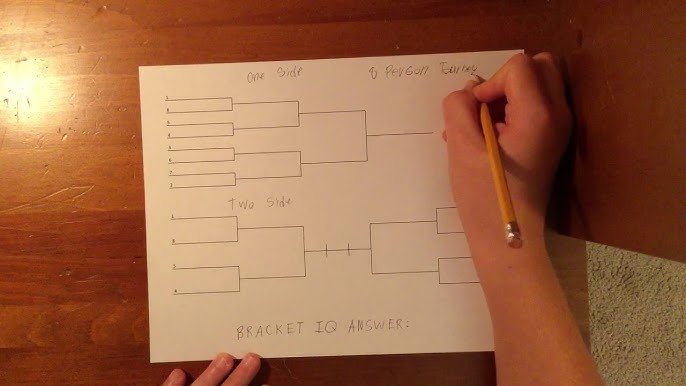
The structure is straightforward. Suppose you have 8 teams. In the first round, they are paired into 4 matches. The four winners move on to the semifinals, and the two winners of the semifinals reach the final match. The final winner is crowned champion.
If the number of participants isn’t a power of two (like 6, 10, or 12), byes are given in the first round to balance the bracket. A “bye” means automatic advancement to the next round without playing a match.
Tournament organizers typically use seeding to ensure stronger competitors don’t face each other in the early rounds. Seeds are assigned based on rankings, qualifications, or past performance.
Advantages of a Single Elimination Tournament
The single elimination system remains popular for good reason.
- Simplicity – It’s easy to understand and organize.
- Time-efficient – With fewer matches than a round-robin, tournaments finish faster.
- Excitement – Every game matters. Upsets and surprises create emotional highs for players and audiences alike.
- Cost-effective – Fewer matches mean lower venue and organizational costs.
Because of these benefits, the single elimination bracket is widely used in sports, academic contests, esports, and corporate tournaments.
Disadvantages to Consider
While thrilling, this format also has a few downsides:
- No second chances: One bad game can eliminate a top player.
- Limited playtime: Teams that lose early play only one match.
- Seeding bias: Poor seeding can cause strong teams to meet too early.
- Less accuracy: The best player may not always win due to a single upset.
Because of this, some competitions prefer double elimination (where players drop to a “losers’ bracket”) or round-robin formats for fairer overall results.
Rules of a Single-Elimination Bracket
While specific rules depend on the sport or game, general principles include:
- Each match determines advancement. Losers are immediately out.
- No rematches in the same round. Winners progress in a fixed bracket path.
- Ties or draws must be resolved (through overtime, penalties, or tiebreakers).
- Brackets are pre-set — meaning the path to the final is determined before the event starts.
- Seeding and randomization must be transparent and fair.
- Byes are awarded only when necessary for balance.
These universal guidelines ensure competitive integrity and clear progression from round to round.
Tips for Organizing a Single-Elimination Tournament
If you’re hosting a single elimination tournament — whether it’s a basketball league, gaming contest, or community sports day — proper organization is key.
1. Determine Participants and Format
Start by listing all players or teams. If you have 8, 16, or 32 participants, you’re set for balanced rounds. If not, assign byes strategically.
2. Create and Display the Bracket
Use a clear bracket chart showing matchups, progression, and seeding. Tools like printable bracket templates or digital tournament software make this easy.
3. Schedule Wisely
Keep enough rest time between rounds, especially for physically demanding events.
4. Define Rules and Tiebreakers Early
Set clear guidelines before the tournament begins to avoid confusion later.
5. Keep Matches on Time
Single elimination moves quickly — punctuality keeps momentum and fairness.
6. Recognize Semi-finalists
Even though only one champion wins, acknowledge top performers to maintain motivation.
Winning Strategies for Competitors
In a single-elimination tournament, one mistake can end your journey. Strategy and mindset are everything.
1. Focus on Consistency
You don’t need to dominate every match; you just need to win each one. Focus on playing your best in every round.
2. Study Your Opponent
If possible, analyze your opponent’s strengths and weaknesses before the match. Preparation is a competitive advantage.
3. Control Nerves
The “win or go home” pressure can cause anxiety. Train your mind to stay calm and confident.
4. Save Energy for Finals
Manage your physical and mental energy to peak at the final stage.
5. Adapt Quickly
Each opponent is different. Adjust your tactics mid-match if needed.
6. Learn from Early Rounds
Even if you advance easily, use each round to refine your performance.
Common Mistakes to Avoid
- Underestimating early opponents: Even low-seeded players can cause upsets.
- Ignoring rest and recovery: Fatigue kills performance in longer events.
- Not understanding bracket flow: Misreading your placement can create scheduling confusion.
- Neglecting rules: Simple mistakes, like arriving late or breaking equipment rules, can lead to disqualification.
Avoiding these mistakes improves your odds of surviving elimination and reaching the final.
Why the Single Elimination Format Remains Popular
Despite its simplicity, the single-elimination bracket has stood the test of time. From ancient Olympic games to modern esports, it continues to be the go-to system when time, excitement, and clear results matter most.
Audiences love the intensity; competitors love the challenge. There’s no safety net, no second chance — just pure competition. It’s the ultimate test of performance under pressure, where every move and every moment counts.
Conclusion
The single elimination bracket may look simple, but it captures everything thrilling about competition: pressure, strategy, and ultimate victory. Understanding its rules, structure, and strategies helps both organizers and players make the most of this timeless format.
Whether you’re planning a local event or competing on a global stage, success in a single elimination tournament depends on preparation, focus, and adaptability. Remember — one match can change everything.
1-Line 5 FAQ
-
What is a single-elimination bracket?
A tournament format where a participant is eliminated after one loss. -
How many matches are needed?
For N participants, there are N-1 matches to determine a winner. -
Is it fair for all competitors?
It’s quick and simple, but a single loss can be harsh for strong players. -
Where is it commonly used?
Sports tournaments, gaming competitions, and knockout events often use it. -
Can it be combined with other formats?
Yes, it can be used alongside double elimination or round-robin for larger tournaments.