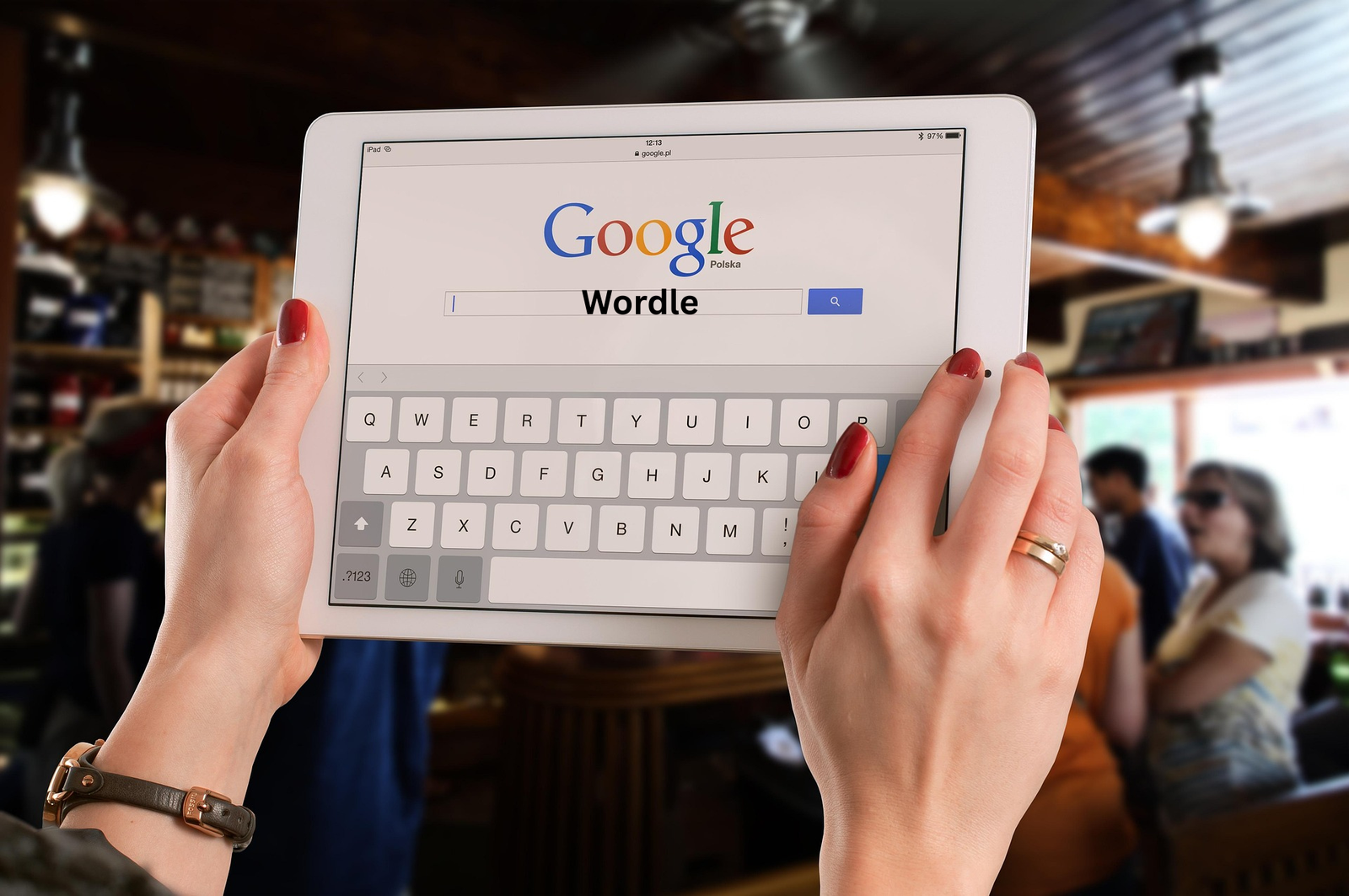
Wordle stands out as one of the most surprising digital success stories of recent years. It began as a quiet creation from software engineer Josh Wardle, who originally designed the game as a personal gift for his partner. From that small beginning, it spread through social circles, social media platforms, and eventually across the world. At its core, Wordle is a daily word puzzle that gives players six attempts to guess a single five letter word. The rules are simple, but the appeal is lasting. Many games have come and gone, especially online, yet few have captured public attention as gracefully as Wordle. Its rise offers a fascinating look at how technology, language, and human curiosity intersect.
The Simplicity That Changed Everything
Wordle is a reminder that innovation does not always require complexity. The entire experience fits on one uncluttered screen. Players enter a word, submit it, and instantly see coloured tiles that reveal letter accuracy and placement. Green confirms a correct letter in the correct position, yellow means the letter is part of the word but in a different place, and grey signals that the letter is not included at all. With these clues, players work through patterns and possibilities, using memory, logic, and instinct to refine each new guess.
This simplicity is one reason Wordle became so widely embraced. It welcomes casual players who simply enjoy a brief mental stretch, as well as language enthusiasts eager to evaluate letter frequency, vowel placement, and strategic guesswork. Because there is only one puzzle per day, the game never overwhelms its audience. Instead, it builds anticipation. When the puzzle is solved, the experience feels complete. There is no timer pressure, no pop up distractions, and no catalogue of optional upgrades. Players can take a moment each morning, solve the puzzle, and move on. The short format blends smoothly into daily routines.
A Social Connection Through Symbols
One of the most distinctive elements of Wordle’s success is the patterned grid that players share. Long before the answer appears, people talk about their results and methods. The coloured blocks show how many guesses were used and how progress unfolded. They express triumph, confusion, and persistence without revealing the solution. These grids sparked conversations, motivated friendly challenges, and built a sense of shared discovery.
The social aspect became even more important during times when people sought connection through digital spaces. Wordle provided an outlet that felt simple but meaningful. It gave people something thoughtful to discuss without requiring long time commitments or specialised knowledge. Anyone could join.
The Power of Fairness and Accessibility
Fairness is a defining feature of Wordle. Everyone sees the same puzzle, and everyone works under the same limits. There are no paid advantages or hidden mechanics. This transparency gives the game credibility. Success feels earned, not purchased. Players learn to trust the system, making victories more satisfying and failures easier to accept.
Accessibility also played a major role in shaping Wordle’s identity. The game uses common language and easy controls. It works on computers, tablets, and phones without installation. The vocabulary is broad enough to be interesting, yet not so obscure that players feel excluded. For many, it offers just the right balance between challenge and approachability.
A Revival of Word Games
Word games have a long history. Newspapers and magazines ran crosswords and acrostics for decades. Word searches appeared in classrooms and waiting rooms. Yet digital play often shifted focus to fast paced action, complex graphics, or competitive ranking. Wordle arrived as a reminder that language puzzles still have a strong place in modern culture.
Following its popularity, many new games emerged. Some explore geography by asking players to guess a country. Others lean into music, mathematics, or trivia. Each variation builds on Wordle’s structure, proving that simple daily puzzles continue to resonate. The original game encouraged people to slow down, observe patterns, and think creatively. It demonstrated that word play can be enjoyed by anyone, regardless of background or skill level.
What Makes It Psychologically Rewarding
The psychology of Wordle reveals why players return each day. Solving a puzzle activates areas of the brain linked to memory, problem solving, and reward. Each guess generates feedback, guiding future decisions and sharpening focus. When the correct word finally appears, the brain releases a small surge of satisfaction. That sense of accomplishment, though brief, is genuine.
The game also limits frustration by providing a clear structure. Six guesses offer enough freedom to explore possibilities but enough boundary to avoid endless guessing. The puzzle feels tight, contained, and fair. Even on days when players fail to solve it, the loss feels acceptable because another puzzle will arrive tomorrow.
Wordle in Daily Life
For many people, Wordle has become a ritual. Some play with morning coffee. Others use it as a break from work. Families share guesses, compare results, and discuss strategy. Friends message each other with their grids. Colleagues talk about the puzzle before meetings. These small interactions bring language into daily conversation in a natural and engaging way.
Teachers have used Wordle to encourage vocabulary growth. Language learners use it to build confidence and pattern recognition. Even workplace communication benefits, as the game gives people a lighthearted topic to share. Wordle is one of those rare activities that fits into conversation without requiring explanation or preparation.
Longevity and Legacy
Trends in digital entertainment often fade quickly. Wordle defied that pattern. Its steady popularity suggests a lasting cultural presence rather than a passing fad. The game has influenced design principles, showing that clarity and restraint can rival spectacle. It has inspired developers, educators, and creators to explore new puzzle ideas.
Wordle also stands as an example of how technology can support creativity rather than overwhelm it. In a world crowded with content, Wordle invites simplicity. It offers a single task, a single goal, and a brief moment of focus. That alone sets it apart from many digital experiences.
Why It Continues to Matter
The continued appeal of Wordle can be traced to a few core truths. People enjoy challenges that feel attainable. They appreciate routines that promote reflection rather than distraction. They value fairness and clarity. And they enjoy shared discovery. Wordle reflects all of these qualities. It reminds us that language is playful, flexible, and alive.
Some games depend on complexity to stay interesting. Wordle depends on its boundaries. Five letters, six chances, one solution. That framework leaves room for imagination and strategy. It encourages people to think rather than react. As a result, it brings a sense of calm to a fast moving world.
Conclusion
Wordle is more than an online puzzle. It is a practice, a conversation, and a creative spark. It blends logic, language, and emotion in a rare way. Many online games try to demand attention, urging players to stay longer, achieve more, or purchase extras. Wordle takes a different path. It invites players to step in, complete the challenge, and step out. The experience is contained, intentional, and rewarding.
Its legacy reaches beyond entertainment. It has encouraged people to think visually, communicate thoughtfully, and value shared curiosity. It has shown that even in a landscape full of noise, a calm and simple idea can stand out. Wordle’s influence continues in classrooms, workplaces, families, and friendships. It remains woven into daily life for many people who look forward to that brief moment of focus each day.
As long as players continue to enjoy language, puzzles, and discovery, Wordle will remain a reminder that small ideas can spark global connection. Its five letter format may be modest, but its cultural impact is profound. It is a testament to how something simple can become something meaningful, one puzzle at a time.