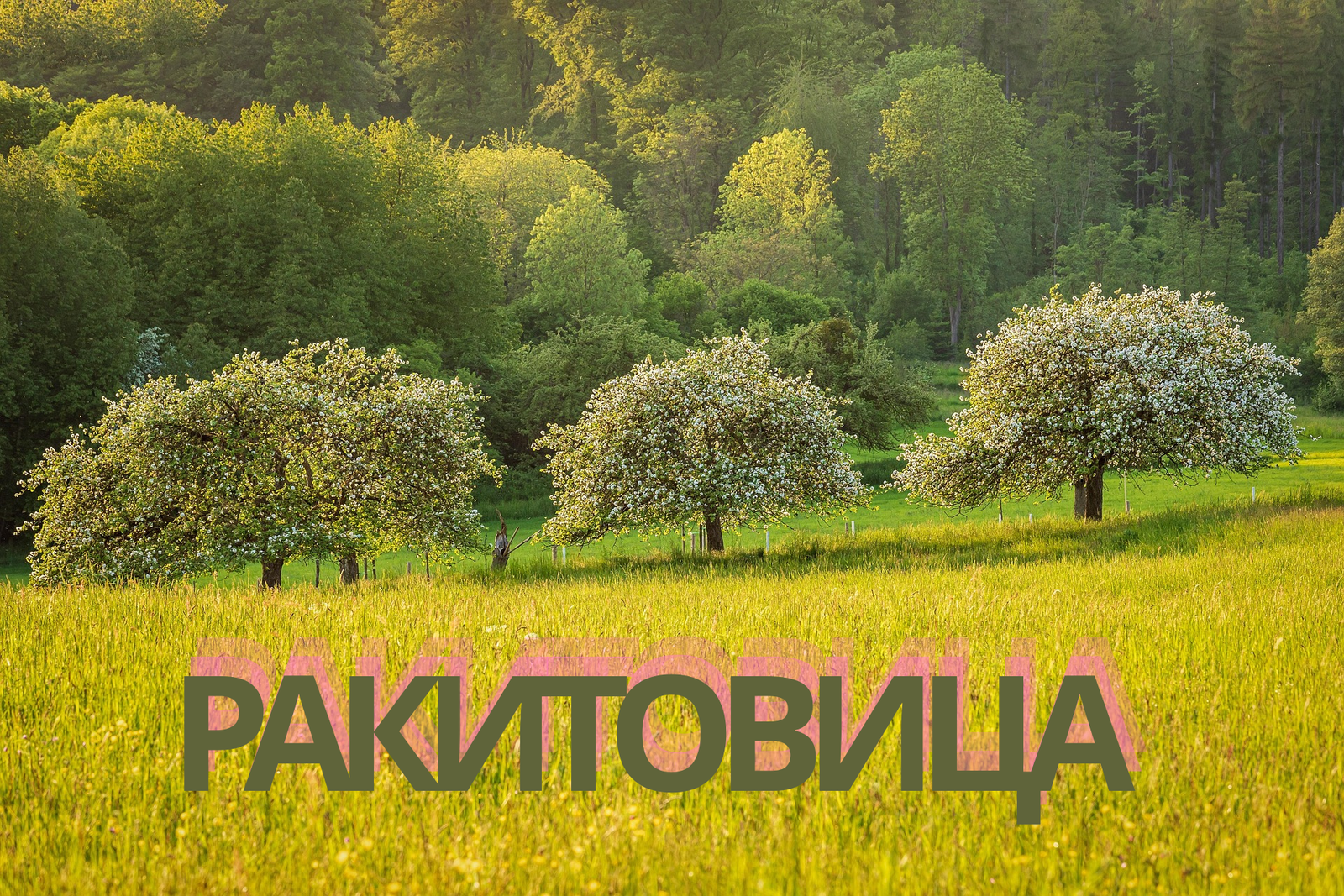
Ракитовица is one of those quiet, picturesque settlements that rarely appear on major travel maps, yet a unique charm capable of captivating anyone seeking authenticity tranquility and a deeper connection with nature. Whether it is a small village in Eastern Europe, a rural locality surrounded by rolling hills, or a historic place. Whose name echoes centuries of tradition, Ракитовица remains a symbol of rustic simplicity and cultural endurance. This article explores the essence of Ракитовица—its history, landscapes, lifestyle, and the timeless values that define its spirit.
- A Name Rooted in Nature and Tradition
- Historical Roots Anchored in Centuries Past
- A Landscape Defined by Peace and Natural Beauty
- The Lifestyle: A Harmony Between Tradition and Simplicity
- Architectural Heritage and Rural Aesthetics
- Cultural Traditions That Keep the Village Alive
- A Sanctuary for Modern Travelers Seeking Authenticity
- Challenges Faced by Small Villages Like Ракитовица
- The Future of Ракитовица
- Conclusion
A Name Rooted in Nature and Tradition
The word “Ракитовица” itself evokes images of willow trees, soft riverbanks, and lush greenery. In many Slavic languages, ракита refers to a type of willow, and the suffix -вица often denotes a place associated with a natural feature or small settlement. Thus, Ракитовица can be interpreted as “the place of willows,” hinting at its likely geographic character—a village nestled near a stream or river where willows thrive.
This natural imagery provides the perfect introduction to the environment that many such villages share: calm water flowing through fields, forests alive with birdsong, and a sense of continuity between the land and the people who inhabit it.
Historical Roots Anchored in Centuries Past
Like many rural settlements of Eastern Europe, Ракитовица is shaped by centuries of history. Although its precise origins may vary depending on the region, villages with similar names often date back to medieval times. They may have started as agricultural hamlets, small trading spots, or defensive settlements near forests and rivers.
Over the centuries, the people of Ракитовица likely witnessed the rise and fall of empires, cultural shifts, political transformations, and technological progress. Yet, through it all, the settlement has preserved its rural soul—an unbroken link to traditional lifestyles, local legends, and ancestral customs.
A Landscape Defined by Peace and Natural Beauty
One of the most compelling reasons to explore or learn about Ракитовица is the landscape. Villages bearing this name are typically surrounded by idyllic scenes:
-
Rolling meadows where cattle graze freely
-
Forested hills offering shade and wildlife diversity
-
Rivers and brooks lined with characteristic willow trees
-
Seasonal fields filled with golden wheat, sunflowers, or corn
-
Quiet dirt roads winding through open countryside
The beauty of such places does not rely on dramatic mountain cliffs or bustling tourist infrastructure. Instead, it celebrates gentler forms of nature—tranquil, soothing, and perfect for slow living.
The Lifestyle: A Harmony Between Tradition and Simplicity
In Ракитовица, life tends to follow the rhythm of nature. Residents often engage in traditional occupations such as farming, beekeeping, shepherding, gardening, or artisanal crafts. Simple homegrown ingredients dominate local cuisine, creating meals that are flavorful, organic, and rooted in heritage.
People in such villages value:
-
Community bonds
-
Seasonal festivities and folk customs
-
Respect for elders and ancestry
-
Sustainable, nature-based living
Whether it’s preparing homemade bread, harvesting fruit from family orchards, or celebrating religious holidays with traditional music and dance, everyday life feels deeply connected to generations of culture.
Architectural Heritage and Rural Aesthetics
Almost every rural settlement like Ракитовица boasts a blend of old and new architecture. Traditional houses might feature:
-
Whitewashed walls
-
Wooden beams
-
Stone foundations
-
Tiled or sloped roofs
-
Flower-filled courtyards
These homes stand as reminders of the region’s historical craftsmanship. Meanwhile, modern buildings gradually blend into the scene, representing the evolving needs of contemporary life.
The village church or chapel, if present, often serves as the spiritual and social heart of the community. Its walls may contain religious icons, frescoes, or memorials that span across decades or even centuries.
Cultural Traditions That Keep the Village Alive
Cultural heritage is the soul of Ракитовица. Even if the population is small, traditional customs remain strong:
-
Harvest festivals celebrate the end of agricultural seasons
-
Folk music events showcase ancient songs and instruments
-
Handicraft fairs display embroidery, woodwork, and pottery
-
Religious holidays gather the community for prayer and celebration
These traditions help preserve identity, especially in a world where urbanization often overshadows rural history.
A Sanctuary for Modern Travelers Seeking Authenticity
In recent years, more travelers have turned their attention to rural tourism, searching for experiences that urban destinations cannot provide. Villages like Ракитовица offer:
-
Peaceful retreats away from city noise
-
Opportunities for nature walks, photography, and birdwatching
-
Encounters with local culture and cuisine
-
Eco-friendly stays and agritourism
-
A chance to participate in farm life or craft workshops
For creative individuals—writers, painters, musicians—the quiet atmosphere provides inspiration and clarity otherwise difficult to find.
Challenges Faced by Small Villages Like Ракитовица
Despite their charm, rural settlements often face challenges:
-
Population decline due to urban migration
-
Limited infrastructure and public services
-
Aging communities
-
Preservation of traditions at risk due to modern influences
Yet many villages continue to fight for survival, initiating community projects, promoting tourism, and modernizing agriculture to adapt to changing times.
The Future of Ракитовица
The future of Ракитовица, like many rural gems, depends on balance—maintaining cultural heritage while embracing progress. Sustainable tourism, agricultural innovation, and local entrepreneurship can help ensure that future generations continue to live and thrive in places like this.
More importantly, the enduring charm of such settlements lies in their essence: peaceful landscapes, authentic living, and a deep connection to nature and history.
Conclusion
Ракитовица may be a small name on the map, but it represents something vast and meaningful—a sanctuary of tradition, nature, and community spirit. Whether seen as a travel destination, a cultural symbol, or a reminder of the simpler ways of life, it inspires appreciation for the quiet corners of our world that still pulse with timeless beauty.